



How to Improve the Long-Distance Recognition Capability of Luminous Characters for Urban Wayfinding Systems?
Release Time : 2026-06-09
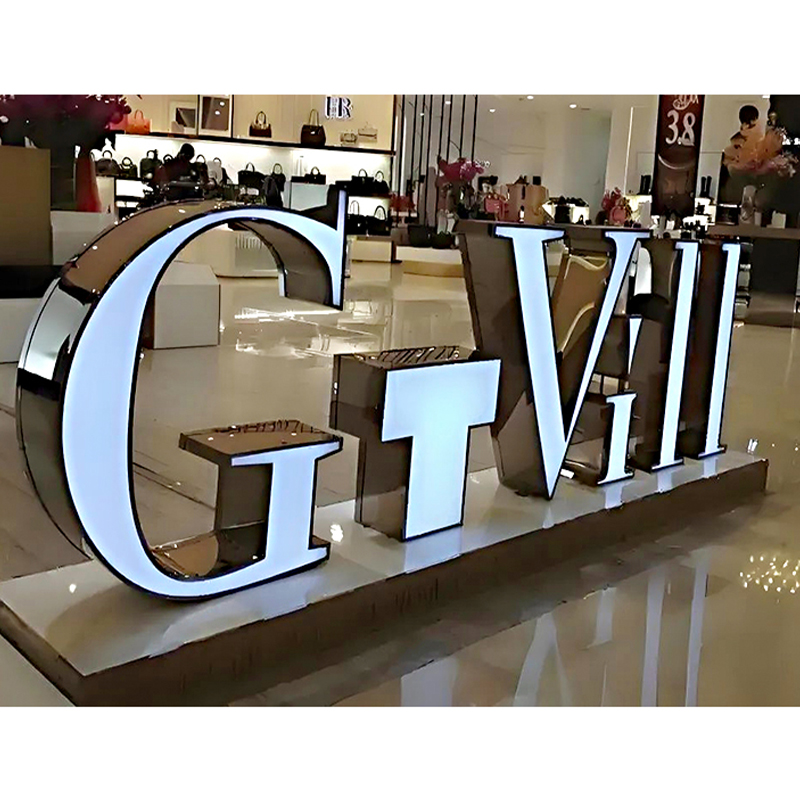
In modern urban wayfinding systems, luminous characters play a crucial role in directional guidance and information delivery. Especially at night or in complex lighting conditions, their long-distance recognition capability directly impacts traffic efficiency and public safety. Achieving clear, stable, and long-distance visible recognition requires comprehensive improvements across multiple levels, including light source design, structural optimization, material application, and visual engineering.
1. High-Brightness Light Sources Enhance Basic Visibility
Long-distance recognition of luminous characters primarily relies on increasing the brightness of the light source. Currently, high-brightness LEDs are commonly used as the core light-emitting unit. By improving luminous efficiency output and optimizing chip arrangement, sufficient visible intensity can be maintained at greater distances. Simultaneously, zoned light control technology allows for higher brightness in key character stroke areas, thereby enhancing overall visual impact and increasing the probability of long-distance recognition.
2. Uniform Light Emission Design Enhances Character Clarity
Besides brightness, uniform light emission is also a crucial factor affecting recognition performance. Uneven brightness or localized dark areas within the characters severely impact long-distance recognition clarity. 3. Optimizing the light guide plate structure and LED layout allows for uniform light diffusion within the characters, effectively avoiding light spots and shadows, thus improving the overall integrity and readability of the font outline.
4. High-transmittance materials enhance light efficiency.
In signage structures, the light transmittance of the panel material directly determines the light energy utilization efficiency. Using high-transmittance acrylic or PC materials reduces light loss during propagation, allowing more light energy to be effectively output in the visible direction. Simultaneously, surface microstructure optimization enhances light diffusion, ensuring characters remain clearly visible from different viewing angles.
5. Contrast optimization enhances visual recognition efficiency.
Long-distance recognition relies not only on brightness but also on background contrast. By rationally designing the difference in brightness between luminous characters and the background color, visual recognition efficiency can be significantly improved. For example, using bright white or warm white characters on a dark background creates a strong visual contrast, making information easier and faster to capture from a distance.
5. Optimized Optical Structure Design for Light Projection
By optimizing the internal optical structure of the characters, such as reflective layers, light guides, and diffusion structures, the direction of light propagation can be effectively controlled, concentrating light energy forward rather than scattering it in all directions. This directional light output design significantly improves the effective utilization rate of unit light energy, thereby enhancing long-distance visibility.
6. Enhanced Environmental Interference Resistance for Stable Recognition
Urban environments present complex conditions such as smog, rain, snow, and strong light interference, all of which can affect the recognition performance of luminous characters. By improving anti-glare design, enhancing brightness adaptive adjustment capabilities, and improving surface anti-reflective properties, the signs can maintain a stable and clear display even in complex environments, improving all-weather recognition capabilities.
In summary, luminous characters for signs effectively enhance long-distance recognition capabilities through the synergistic effect of multiple technologies, including high-brightness LED light sources, uniform light-emitting structures, high-transmittance materials, contrast optimization, and optical projection design. Simultaneously, combined with environmental interference resistance design, they meet the high reliability requirements of urban wayfinding systems in complex scenarios, providing crucial support for urban traffic and public information dissemination.
1. High-Brightness Light Sources Enhance Basic Visibility
Long-distance recognition of luminous characters primarily relies on increasing the brightness of the light source. Currently, high-brightness LEDs are commonly used as the core light-emitting unit. By improving luminous efficiency output and optimizing chip arrangement, sufficient visible intensity can be maintained at greater distances. Simultaneously, zoned light control technology allows for higher brightness in key character stroke areas, thereby enhancing overall visual impact and increasing the probability of long-distance recognition.
2. Uniform Light Emission Design Enhances Character Clarity
Besides brightness, uniform light emission is also a crucial factor affecting recognition performance. Uneven brightness or localized dark areas within the characters severely impact long-distance recognition clarity. 3. Optimizing the light guide plate structure and LED layout allows for uniform light diffusion within the characters, effectively avoiding light spots and shadows, thus improving the overall integrity and readability of the font outline.
4. High-transmittance materials enhance light efficiency.
In signage structures, the light transmittance of the panel material directly determines the light energy utilization efficiency. Using high-transmittance acrylic or PC materials reduces light loss during propagation, allowing more light energy to be effectively output in the visible direction. Simultaneously, surface microstructure optimization enhances light diffusion, ensuring characters remain clearly visible from different viewing angles.
5. Contrast optimization enhances visual recognition efficiency.
Long-distance recognition relies not only on brightness but also on background contrast. By rationally designing the difference in brightness between luminous characters and the background color, visual recognition efficiency can be significantly improved. For example, using bright white or warm white characters on a dark background creates a strong visual contrast, making information easier and faster to capture from a distance.
5. Optimized Optical Structure Design for Light Projection
By optimizing the internal optical structure of the characters, such as reflective layers, light guides, and diffusion structures, the direction of light propagation can be effectively controlled, concentrating light energy forward rather than scattering it in all directions. This directional light output design significantly improves the effective utilization rate of unit light energy, thereby enhancing long-distance visibility.
6. Enhanced Environmental Interference Resistance for Stable Recognition
Urban environments present complex conditions such as smog, rain, snow, and strong light interference, all of which can affect the recognition performance of luminous characters. By improving anti-glare design, enhancing brightness adaptive adjustment capabilities, and improving surface anti-reflective properties, the signs can maintain a stable and clear display even in complex environments, improving all-weather recognition capabilities.
In summary, luminous characters for signs effectively enhance long-distance recognition capabilities through the synergistic effect of multiple technologies, including high-brightness LED light sources, uniform light-emitting structures, high-transmittance materials, contrast optimization, and optical projection design. Simultaneously, combined with environmental interference resistance design, they meet the high reliability requirements of urban wayfinding systems in complex scenarios, providing crucial support for urban traffic and public information dissemination.