



How can school signs be both eye-catching and aesthetically pleasing without disrupting the educational environment?
Release Time : 2025-12-04
In modern campuses, signs are not only "guardians" of risk warnings but also integral parts of campus culture and spatial aesthetics. Clear and effective warning signs are required in areas such as teaching building corridors, laboratory entrances, around electrical rooms, stairwell corners, and sports fields. However, poorly designed, garishly colored, or cheaply made signs not only weaken visual order but may also conflict with the school's pursuit of a humanistic, tranquil, and educational environment. How to ensure high visibility and clear functionality while maintaining aesthetic harmony and educational warmth has become a core issue in campus sign design. This balance is becoming feasible thanks to advanced manufacturing processes and customized concepts.
1. Materials and Craftsmanship: From "Industrial" to "Refined"
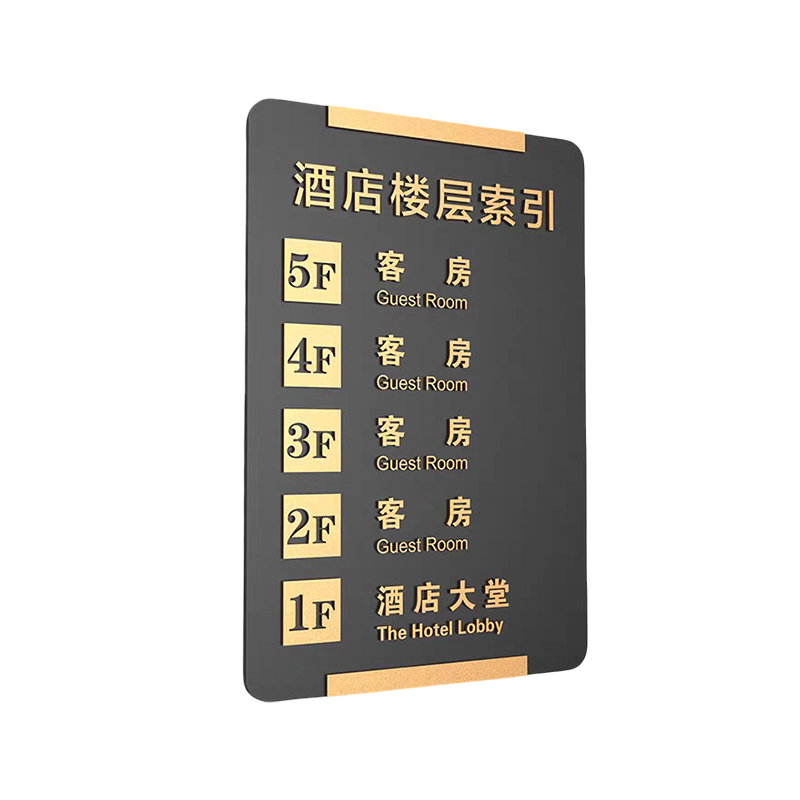
Traditional safety signs often use ordinary sheet metal with a painted finish, which is prone to rust, has rough edges, and is glaringly reflective. Today, thanks to fiber laser cutting technology, signage outlines can achieve millimeter-level precision, with smooth, burr-free edges. CNC bending and seamless welding create three-dimensional frames or embedded structures, enhancing the overall texture. For surface treatment, the harshness of high-gloss red paint is abandoned in favor of matte, environmentally friendly spray paint or electroplating brushed finishes, using low-saturation primary colors such as dark gray, dark green, and navy blue, maintaining a professional look while blending into the campus architectural color scheme. Text and icons are presented through laser engraving or hollowing techniques, creating distinct layers and avoiding visual clutter.
2. Lighting and Transparency Design: Soft Reminders, Worry-Free at Night
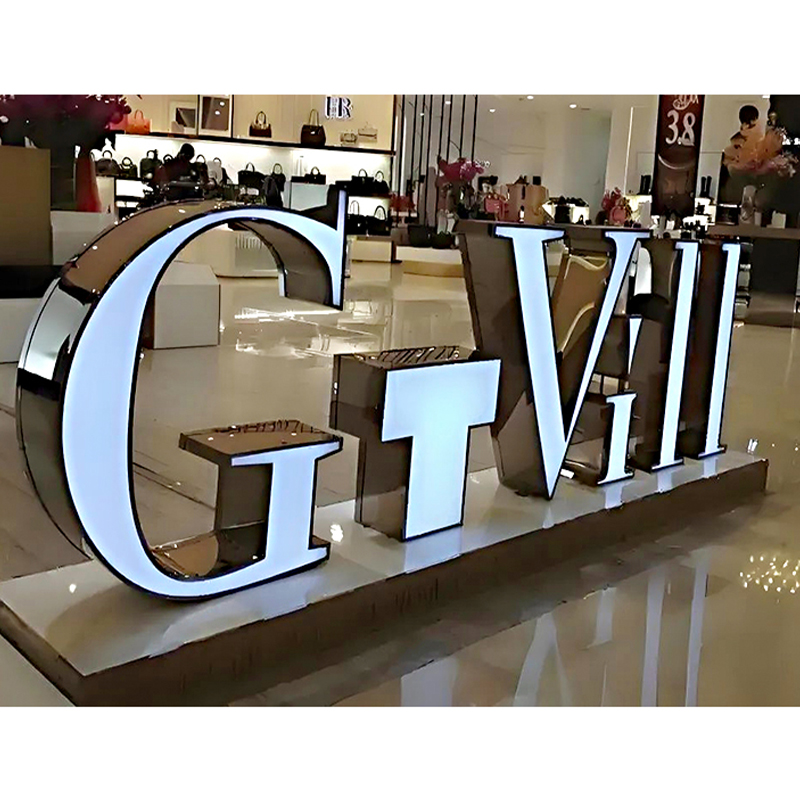
To balance nighttime visibility with daytime aesthetics, high-end campus signage often integrates built-in LED light sources and acrylic translucent panels. For example, "High Voltage Danger" or "Fire Exit" signage can automatically illuminate at dusk, using 3000K–4000K warm white or soft yellow light to avoid the coldness of cool white light. The text is illuminated by a perforated backlight or an embedded light guide plate, providing even and soft light that is neither glaring nor dazzling. This meets safety regulations and acts as a gentle guiding light, fitting the educational atmosphere of the campus.
3. Graphic and Information Design: Simple Yet Sophisticated
Educational venues cater to diverse audiences, including children, teachers, and visitors. Therefore, signage information must be de-textualized and strongly graphic. Internationally recognized safety symbols are used, accompanied by concise Chinese explanations to ensure clarity. At the same time, excessive use of exclamation marks, skulls, and other frightening elements is avoided. Instead, gentle yet clear graphic language conveys risks—for example, using an illustration of a "hand caught" instead of a commanding "Do Not Touch" sign, conveying both warning and respect. For font selection, rounded, easy-to-read sans-serif fonts are prioritized, with clear font size hierarchy, avoiding cluttered layouts.
4. Customization and Scene Integration: Making Signage "Grow" in the Environment
Thanks to the high degree of customizability in size and shape, campus signage can be tailored to different scenarios. Small, standing nameplates are embedded in the wall at laboratory entrances; rounded corner signs are used at stairwell corners, also serving as anti-collision features; and "Caution: Slippery" signs on the playground fences are made of weather-resistant outdoor acrylic panels, with colors that coordinate with the running track. Even school emblems and motto elements can be cleverly integrated into the border design, making safety signs a part of the campus culture rather than jarring "foreign objects."
5. Sustainability and Maintenance-Friendly: A Guarantee of Long-Lasting Aesthetics
Chemical and UV-resistant materials are used, combined with environmentally friendly coatings, ensuring that the signs will not fade or deform for many years under wind and sun. The modular design facilitates partial replacement, reducing long-term maintenance costs. This "one-time investment, long-term aesthetics" concept aligns with the school's pursuit of resource conservation and sustainable development.
Campus safety warning signs should not be cold warnings, but warm reminders; not visual distractions, but an organic component of the environment. Through advanced technology, human-centered design, and scenario-based thinking, modern signs achieve a harmonious unity of function and aesthetics. While safeguarding safety, they silently convey a school's respect for details, its commitment to beauty, and its unspoken care for every teacher and student.
1. Materials and Craftsmanship: From "Industrial" to "Refined"
Traditional safety signs often use ordinary sheet metal with a painted finish, which is prone to rust, has rough edges, and is glaringly reflective. Today, thanks to fiber laser cutting technology, signage outlines can achieve millimeter-level precision, with smooth, burr-free edges. CNC bending and seamless welding create three-dimensional frames or embedded structures, enhancing the overall texture. For surface treatment, the harshness of high-gloss red paint is abandoned in favor of matte, environmentally friendly spray paint or electroplating brushed finishes, using low-saturation primary colors such as dark gray, dark green, and navy blue, maintaining a professional look while blending into the campus architectural color scheme. Text and icons are presented through laser engraving or hollowing techniques, creating distinct layers and avoiding visual clutter.
2. Lighting and Transparency Design: Soft Reminders, Worry-Free at Night
To balance nighttime visibility with daytime aesthetics, high-end campus signage often integrates built-in LED light sources and acrylic translucent panels. For example, "High Voltage Danger" or "Fire Exit" signage can automatically illuminate at dusk, using 3000K–4000K warm white or soft yellow light to avoid the coldness of cool white light. The text is illuminated by a perforated backlight or an embedded light guide plate, providing even and soft light that is neither glaring nor dazzling. This meets safety regulations and acts as a gentle guiding light, fitting the educational atmosphere of the campus.
3. Graphic and Information Design: Simple Yet Sophisticated
Educational venues cater to diverse audiences, including children, teachers, and visitors. Therefore, signage information must be de-textualized and strongly graphic. Internationally recognized safety symbols are used, accompanied by concise Chinese explanations to ensure clarity. At the same time, excessive use of exclamation marks, skulls, and other frightening elements is avoided. Instead, gentle yet clear graphic language conveys risks—for example, using an illustration of a "hand caught" instead of a commanding "Do Not Touch" sign, conveying both warning and respect. For font selection, rounded, easy-to-read sans-serif fonts are prioritized, with clear font size hierarchy, avoiding cluttered layouts.
4. Customization and Scene Integration: Making Signage "Grow" in the Environment
Thanks to the high degree of customizability in size and shape, campus signage can be tailored to different scenarios. Small, standing nameplates are embedded in the wall at laboratory entrances; rounded corner signs are used at stairwell corners, also serving as anti-collision features; and "Caution: Slippery" signs on the playground fences are made of weather-resistant outdoor acrylic panels, with colors that coordinate with the running track. Even school emblems and motto elements can be cleverly integrated into the border design, making safety signs a part of the campus culture rather than jarring "foreign objects."
5. Sustainability and Maintenance-Friendly: A Guarantee of Long-Lasting Aesthetics
Chemical and UV-resistant materials are used, combined with environmentally friendly coatings, ensuring that the signs will not fade or deform for many years under wind and sun. The modular design facilitates partial replacement, reducing long-term maintenance costs. This "one-time investment, long-term aesthetics" concept aligns with the school's pursuit of resource conservation and sustainable development.
Campus safety warning signs should not be cold warnings, but warm reminders; not visual distractions, but an organic component of the environment. Through advanced technology, human-centered design, and scenario-based thinking, modern signs achieve a harmonious unity of function and aesthetics. While safeguarding safety, they silently convey a school's respect for details, its commitment to beauty, and its unspoken care for every teacher and student.